When summer arrives in Zone 8A, the vegetable garden truly comes alive. Long sunny days, warm nights, and consistent heat create the perfect growing conditions for many of our favorite vegetables. Whether you’re planting your very first raised bed or expanding an established kitchen garden, summer is one of the most rewarding seasons for growing fresh food.
In this guide, I’ll introduce some of my favorite summer vegetables that thrive in our climate and give you a glimpse into what you can expect from each crop. If you’re looking for step-by-step growing instructions, planting guides, pest management, harvesting tips, companion planting advice, and variety recommendations, you’ll find all of that inside my gardening classes.
Tomatoes
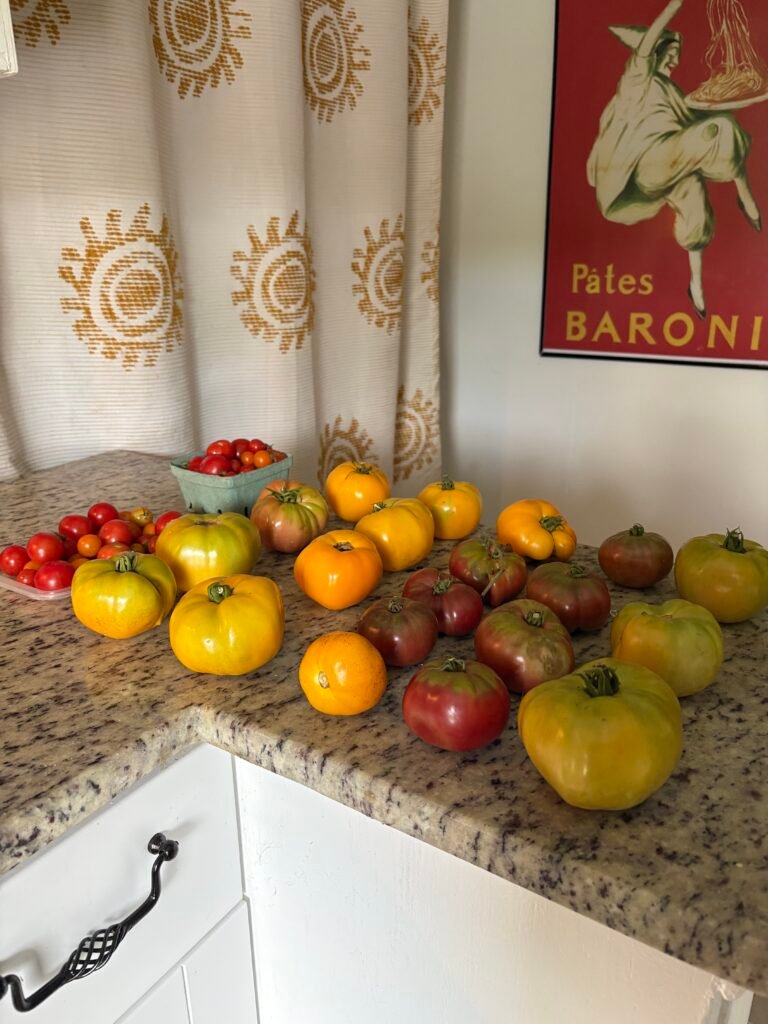
Tomatoes are easily one of the most popular vegetables grown in home gardens—and for good reason. Nothing compares to the flavor of a vine-ripened tomato picked straight from your own garden.
There are hundreds of tomato varieties to choose from, including slicing tomatoes, cherry tomatoes, paste tomatoes, heirloom varieties, and colorful specialty tomatoes. Choosing the right variety depends on how you plan to use them, your available garden space, and your growing season.
Tomatoes thrive in full sun, rich well-draining soil, and consistent watering. Supporting them with cages, stakes, or trellises helps improve airflow and keeps fruit clean while reducing disease pressure.
Whether you’re making homemade salsa, pasta sauce, fresh salads, or simply enjoying tomato sandwiches, tomatoes are one of the most productive crops you can grow during the summer months.
Squash
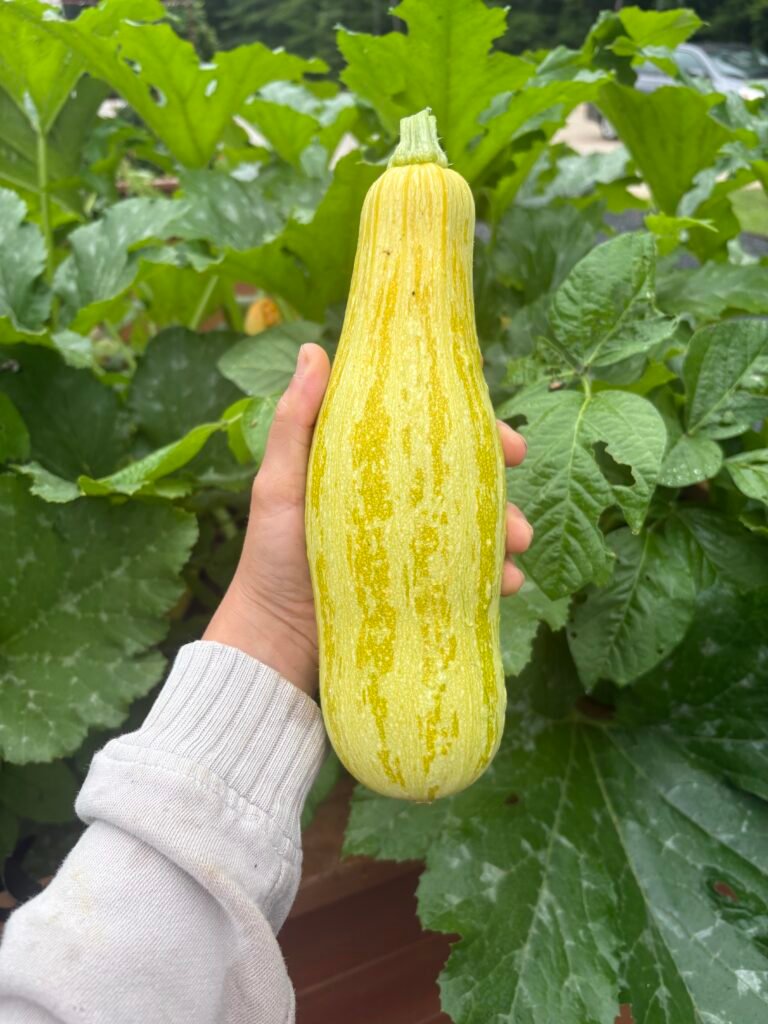
Summer squash grows incredibly well throughout Zone 8A and often produces an abundant harvest.
Yellow squash is one of the easiest vegetables for beginner gardeners because of its fast growth and continuous production. With proper harvesting, a few plants can provide more squash than most families can keep up with.
Healthy soil, regular harvesting, and monitoring for squash vine borers are all important parts of growing a successful squash crop.
If you’re looking to learn about succession planting, common squash pests, disease prevention, harvesting techniques, and storage methods, I cover all of these topics in much greater detail throughout my gardening classes.
Zucchini
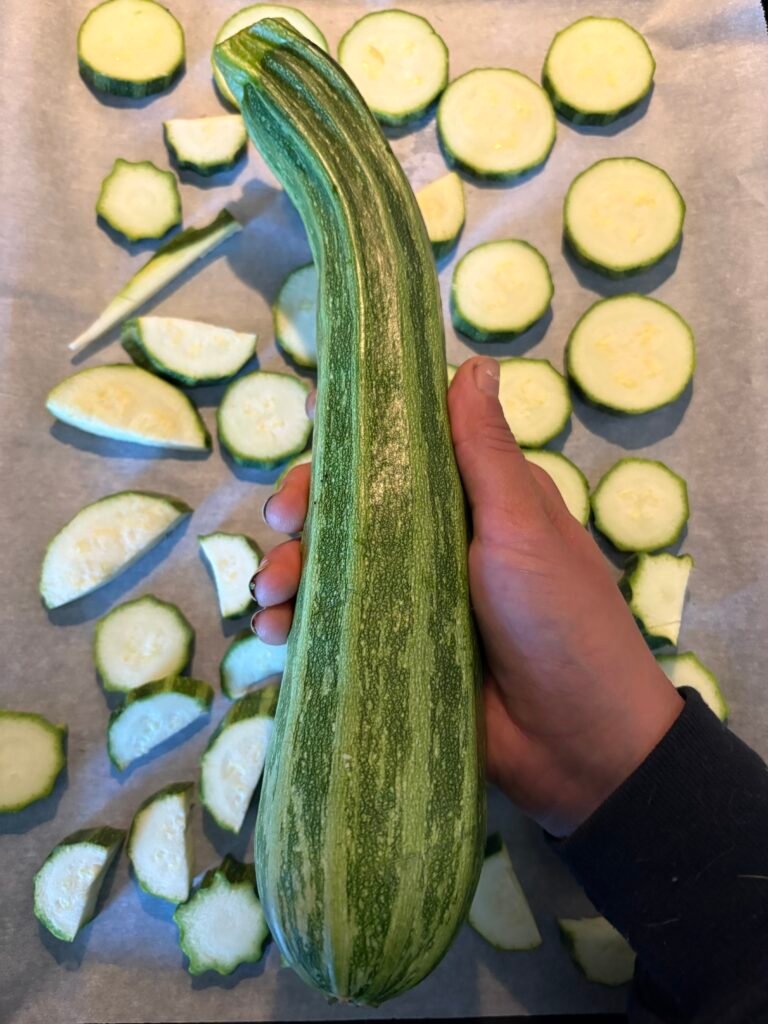
Zucchini may be one of the hardest-working vegetables in the summer garden.
One healthy zucchini plant can produce dozens of fruits throughout the growing season when harvested regularly. Like squash, zucchini appreciates rich compost-amended soil, full sun, and consistent moisture.
Because zucchini grows so quickly, checking your plants every day or two helps prevent oversized fruit and encourages continued production.
From grilled zucchini to zucchini bread and fresh stir-fries, it’s one of the most versatile vegetables you’ll grow.
Eggplant
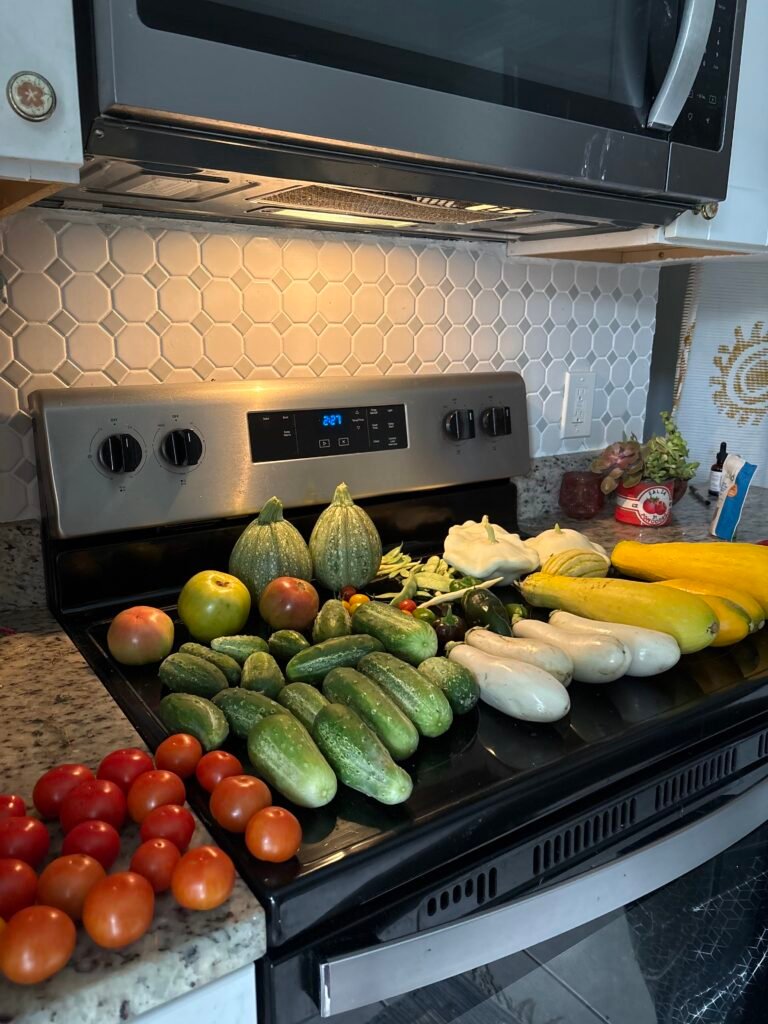
Eggplants absolutely love warm weather and become more productive as temperatures continue climbing throughout the summer.
There are many beautiful varieties available, including classic deep purple eggplants, long Asian varieties, white eggplants, striped heirlooms, and compact container-friendly selections.
Eggplants prefer fertile soil, full sunlight, and even moisture throughout the season. Once established, they’re surprisingly productive and continue producing until cooler temperatures arrive.
Growing eggplants adds both beauty and diversity to any vegetable garden.
Peppers
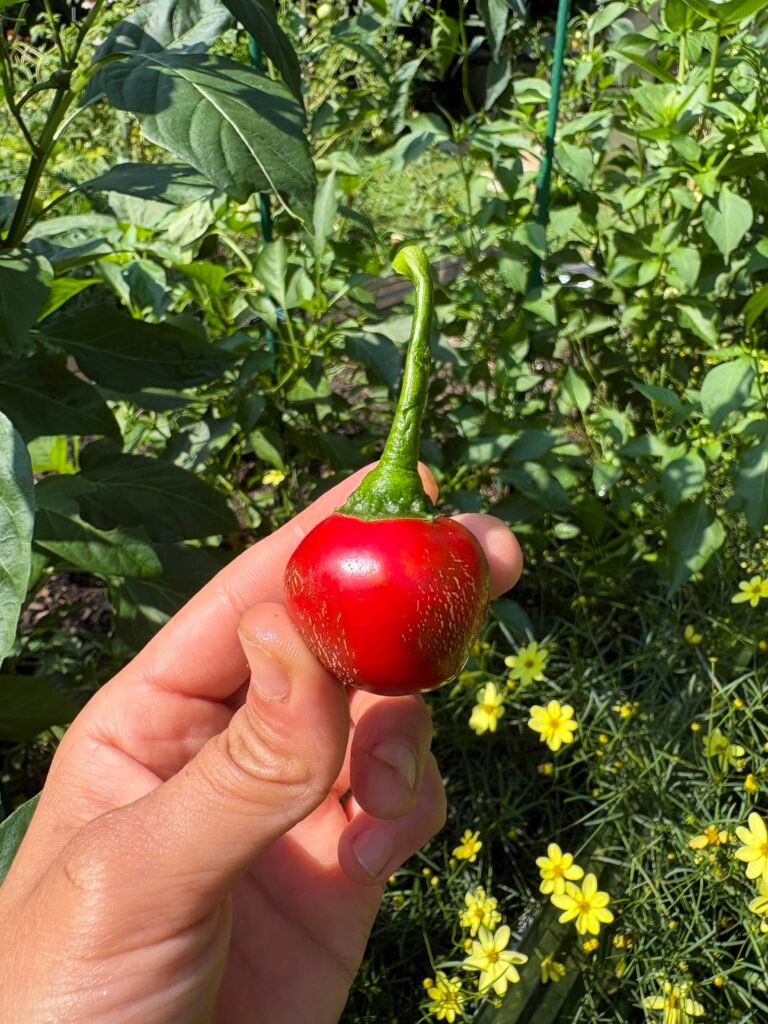
Sweet peppers and hot peppers thrive during our long Zone 8A summers.
Bell peppers, jalapeños, banana peppers, shishitos, poblanos, cayennes, habaneros, and many specialty peppers all perform exceptionally well in warm weather.
Peppers enjoy consistent heat and often begin producing heavily once daytime temperatures remain warm. Regular harvesting encourages additional fruit production throughout the season.
Whether you’re growing peppers for fresh eating, grilling, drying, fermenting, or homemade hot sauce, they quickly become one of the most rewarding crops in the garden.
Okra
Few vegetables love Southern summers quite like okra.
As temperatures rise, okra seems to become even happier. It’s drought tolerant once established, handles intense heat beautifully, and continues producing for months.
The key to tender pods is harvesting frequently while they’re still young. Waiting even a few extra days can result in tougher pods.
Okra is one of the easiest vegetables to grow if you’re gardening in Zone 8A and deserves a place in every summer vegetable garden.
Melons
Nothing says summer quite like harvesting your own watermelon or cantaloupe.
Melons require plenty of sunshine, room to spread, and warm soil to develop their sweet, juicy fruit. Although they take a bit more space than other vegetables, the reward is well worth it.
Proper watering during fruit development, healthy soil, and pollinator activity all contribute to successful melon harvests.
Growing melons is one of my favorite ways to maximize the summer garden.
Beans
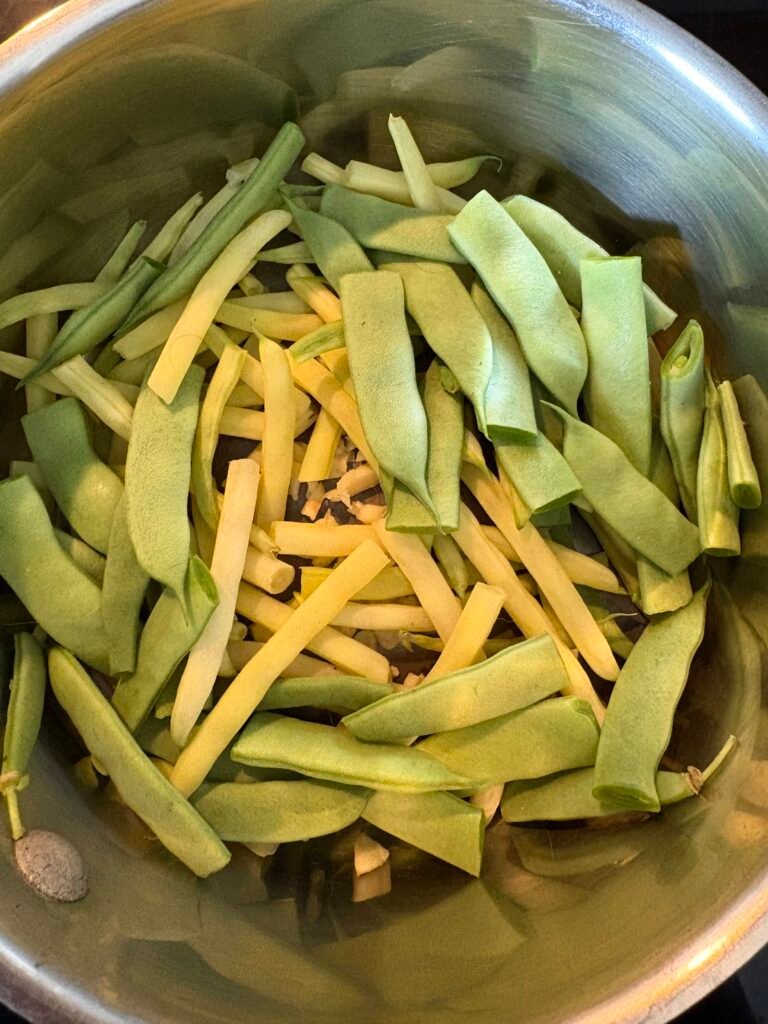
Beans are one of the fastest-growing vegetables you can plant and are excellent for gardeners of every experience level.
Bush beans produce quickly over a shorter period, while pole beans continue climbing and producing throughout the season when regularly harvested.
Beans also help improve garden soil by fixing nitrogen, making them a valuable crop in many vegetable garden plans.
Whether you’re growing green beans, wax beans, Romano beans, or colorful heirloom varieties, they’re dependable producers that fit beautifully into raised beds, traditional gardens, and small spaces alike.
Growing a Successful Summer Vegetable Garden
Many of these vegetables share similar growing requirements. They thrive with:
- Full sun (6–8+ hours daily)
- Healthy compost-rich soil
- Consistent watering
- Proper spacing for airflow
- Organic mulch to retain moisture
- Regular harvesting
- Pollinator-friendly planting
- Sustainable gardening practices
A healthy garden starts with healthy soil. Building your soil with compost, encouraging beneficial insects, practicing crop rotation, and planting seasonally all help create stronger, more productive vegetable gardens year after year.
Want to Learn More?
This article is just the beginning.
Inside my gardening classes, I go far beyond the basics. We cover everything from choosing the right varieties and starting seeds to transplanting, succession planting, companion planting, organic pest management, fertilizing, pruning, harvesting, and storing your vegetables.
Whether you’re brand new to gardening or looking to improve your harvests, my classes are designed to help you grow with confidence using practical, sustainable gardening techniques that work here in Zone 8A.
I love teaching gardeners how to create productive vegetable gardens that are beautiful, healthy, and enjoyable throughout every season. If you’re ready to grow more food, improve your harvests, and learn the “why” behind successful gardening, I’d love to have you join one of my classes.
Happy gardening!