Discover Why Microgreens are the Ultimate Plant for Nutrition
by Najet Hamdoun
Why are Microgreens Gaining Popularity?
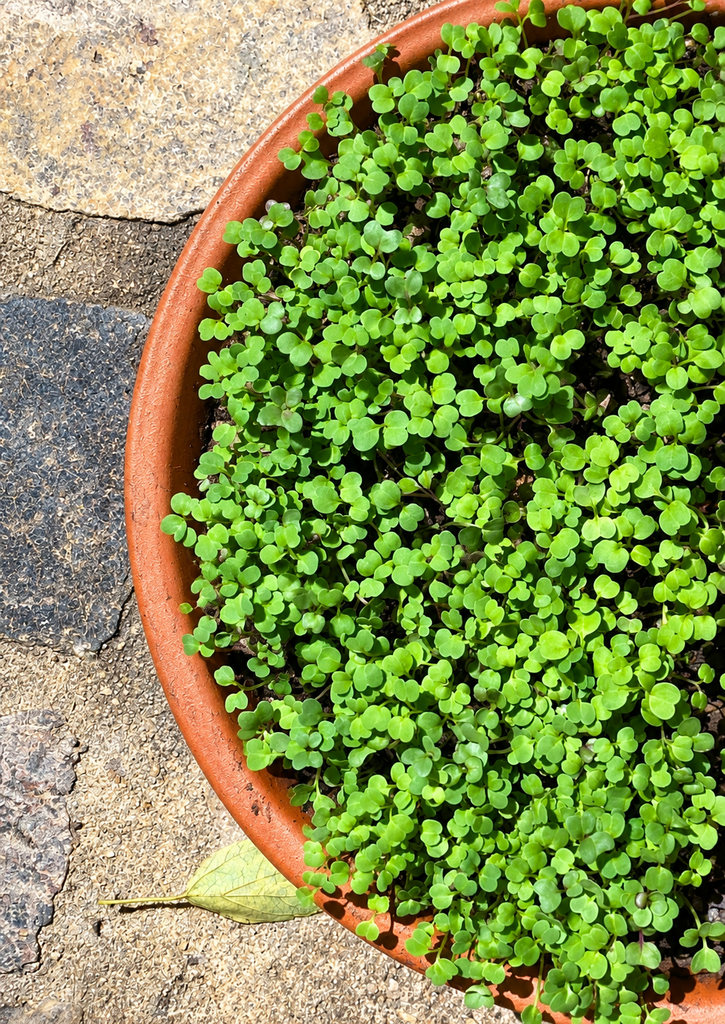
Microgreens are the a nutreint dense way to add vitamins to your body and meals. I stopped taking vitamins a long time ago. Through modern research, various studies, and many doctors , studies and medical advisors have stated that: it is better to intake vitamins through the nutritional foods we consume.
Bioavailability is the absorption of a specific nutrient, and how much the body can absorb of that specific nutrient. A nutrient can have a different bioavailability from factors such as it’s source (natural or synthetic, if plant, dried, cooked, raw etc.) form, the person’s body, age, and how that nutrient can react specifically with that person’s biological makeup. The older we get the harder it is for our body to absorb nutrients, so it is important to live a healthy and balanced lifestyle at any age.
Microgreens are better than their mature counterpart in reference to vitamins, minerals, antioxidants and phenolic compounds, while also containing a dense and digestible nutrient profile. They more bioavailable and also create a better source of nutrition for vegetarians and vegans. Because of their small size, it is easier for the human body to digest and create enzymatic reactions to break down the food and make bioavailable nutrients.
Are Microgreens Healthy?
Microgreens are known to contain 40% more phytonutrients, vitamins, and minerals than their adult counterparts. The reason why Microgreens contain a “concentrated” form of vitamins and minerals are because they are still condensed within the plant. The small stunted plant has not gone through numerous cycles of photosynthesis, oxidation from heat, and root growth which cycles out nutrients over time. The condensed, unbroken, and pure amount of amino acid chains within the Microgreens also create protein synthesis within the body, and can act as a form of protein for many vegans and vegetarians. This is especially apparent in Arugula Microgreens, Broccoli Microgreens, any type of Bean or Pea Microgreens, and the mighty Buckwheat Microgreen.
Scientific studies have shown that eating nutrient dense vegetables, fruits, and other plants have shown to decrease heart disease, obeisity, and other health related issues like inflammation. According to the USDA, the leading cause of illness in the United States is due to poor nutrition and kills 600,000 people annually. Microgreens can be one of the easiest, cost effective, and nutrient dense produce you can implement into your diet. Because of this poor nutrition, Americans are spending thousands of dollars in medical expenses. Over 85% of health care spending is from diet related issues.
Microgreens are a functional food, which is known to prevent disease and promotes a healthy body. Once we learn how to heal from the inside, body, mind, and spirit, by implementing more nutrient dense foods into our diet is when we can heal and change our bodies for sustainable results.
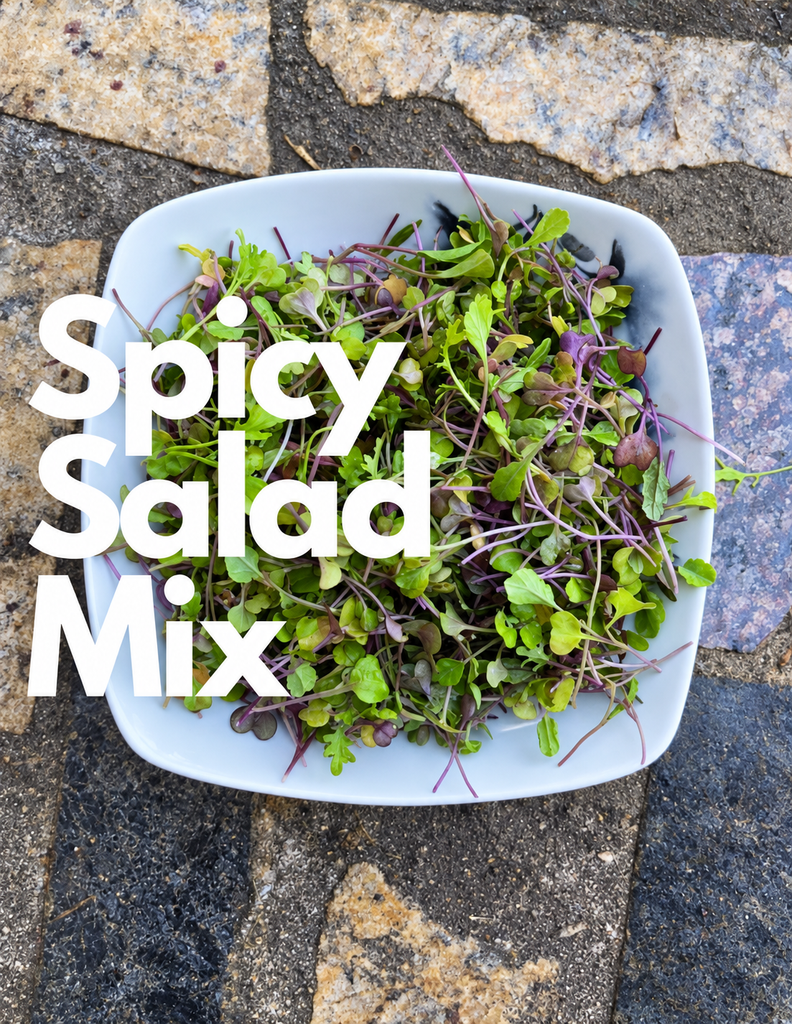
All Nutrient Information was Recorded from Scientific Tests Run by the USDA FoodData Central
Amaranth Microgreen Nutrition
Originally from South America, Amaranth has gained popularity as a superfood. Amaranth can be a great implementation for children who can consume as much as 70% of their necessary dietary energy from one serving of Amaranth Microgreens.
AMARANTH CONTAINS THE ESSENTIAL AMINO ACID LYSINE, WHICH CANNOT BE PRODUCED BY THE HUMAN BODY.
| Nutrient Profile (per 100g) | Amount (mg) |
|---|---|
| Minerals: | |
| Calcium, Ca | 135 |
| Iron, Fe | 7.56 |
| Magnesium, Mg | 233 |
| Phosphorus, P | 425 |
| Potassium, K | 396 |
| Sodium, Na | <2.5 |
| Zinc, Zn | 3 |
| Copper, Cu | 0.518 |
| Manganese, Mn | 2.3 |
| Molybdenum, Mo | 35.1 ug |
| Nutrient Profile (per 100g) | Amount (g) |
|---|---|
| Protein | 13.2 g |
| Total lipid (fat) | 6.24 g |
| Carbohydrate, by difference | 68.8 g |
| Nutrient Profile (per 100g) | Amount (mg) |
|---|---|
| Vitamins and Other Components: | |
| Thiamin | 0.059 |
| Riboflavin | 0.175 |
| Niacin | 0.748 |
| Vitamin B-6 | 0.387 |
| Biotin | 25.4 ug |
Arugula Microgreen Nutrition
Arugula Microgreens are my personal favorite. Arugula Microgreens concentrated nutrients can be 3-10x more than their mature fully-grown counterpart. They are packed with flavor, high in amino acids, and can be put in so many different dishes. They add a nice flavor profile to most dishes, while adding high amounts of vitamins and minerals. The highlighted vitamins and minerals are Vitamins K, A, and C, Iron, and Calcium.
| Nutrient Profile (per 100g) | Amount (g) |
|---|---|
| Protein | 2.58 |
| Total lipid (fat) | 0.66 |
| Carbohydrate, by difference | 3.65 |
| Nutrient Profile (per 100g) | Amount (µg) | |
|---|---|---|
| Vitamin A, RAE | 119 | |
| Carotene, beta | 1420 | |
| Vitamin K (phylloquinone) | 109 |
| Nutrient Profile (per 100g) | Amount (mg) |
|---|---|
| Calcium, Ca | 160 |
| Iron, Fe | 1.46 |
| Magnesium, Mg | 47 |
| Phosphorus, P | 52 |
| Potassium, K | 369 |
| Sodium, Na | 27 |
| Zinc, Zn | 0.47 |
| Copper, Cu | 0.076 |
| Manganese, Mn | 0.321 |
| Selenium, Se | 0.3 |
| Vitamin C, total ascorbic acid | 15 |
| Thiamin | 0.044 |
| Riboflavin | 0.086 |
| Niacin | 0.305 |
| Pantothenic acid | 0.437 |
| Vitamin B-6 | 0.073 |
| Folate, total | 97 |
| Folic acid | 0 |
| Folate, food | 97 |
| Folate, DFE | 97 |
| Choline, total | 15.3 |
Broccoli Microgreen Nutrition
Research has shown that sulforaphane and other compounds in broccoli may protect our cells from the damage caused by oxidative stress. Free radicals from pollutants, CO2 emmissions, ultraviolet radiation, and even indgredients like seed oils produce oxidative stress in cells in the body and can cause cancer and inflammation which is the root of many diseases.
Broccoli Raw (1 cup) Nutrient Profile
| Nutrient Profile (per 100g) | Amount (g) |
|---|---|
| Minerals: | |
| Calcium, Ca | 46 |
| Iron, Fe | 0.69 |
| Magnesium, Mg | 21 |
| Phosphorus, P | 67 |
| Potassium, K | 303 |
| Sodium, Na | 36 |
| Zinc, Zn | 0.42 |
| Copper, Cu | 0.059 |
| Manganese, Mn | 0.197 |
| Selenium, Se | 1.6 ug |
| Nutrient Profile (per 100g) | Amount (g) |
|---|---|
| Protein | 2.57 |
| Total lipid (fat) | 0.34 |
| Carbohydrate, by difference | 6.27 |
| Nutrient Profile (per 100g) | Amount (g) |
|---|---|
| Vitamins and Other Components: | |
| Vitamin C, total ascorbic acid | 91.3 |
| Thiamin | 0.077 |
| Riboflavin | 0.114 |
| Niacin | 0.639 |
| Pantothenic acid | 0.61 |
| Vitamin B-6 | 0.191 |
| Folate, total | 65 ug |
| Vitamin A, RAE | 8 ug |
Buckwheat Microgreen Nutrition
Buckwheat is gluten free, which can sometimes be nmisleading, because it is actually not part of the wheat family at all. It has a completley different nutrient profile and is significantly high in protein. Buckwheat contains all nine essential amino acids making it a complete protein. It is also a great source of Magnesium, which recent studies have now shown has a direct link to decrease anxiety and depression.
Buckwheat, Whole Grain (100g) Nutrient Profile
| Nutrient Profile (per 100g) | Amount (g) |
|---|---|
| Protein | 11.1 |
| Total lipid (fat) | 3.04 |
| Carbohydrate, by difference | 71.1 |
| Nutrient Profile (per 100g) | Amount (g) |
|---|---|
| Vitamins and Other Components: | |
| Thiamin | 0.539 |
| Riboflavin | 0.178 |
| Niacin | 5.37 |
| Vitamin B-6 | 0.278 |
| Biotin | 18.6 ug |
| Nutrient Profile (per 100g) | Amount (g) |
|---|---|
| Minerals: | |
| Calcium, Ca | 14 |
| Iron, Fe | 2.44 |
| Magnesium, Mg | 203 |
| Phosphorus, P | 374 |
| Potassium, K | 414 |
| Sodium, Na | <2.5 |
| Zinc, Zn | 2.24 |
| Copper, Cu | 0.476 |
| Manganese, Mn | 1.23 |
| Molybdenum, Mo | 55.2 ug |
Kale Microgreen Nutrition
Kale Microgreens are a great beginner microgreen that tastes great in sanwhiches and salads. Kale Microgreens are also great in cooked healthy dishes like soups or mushroom kale quesadillas, yum!! Kale Microgreens are high in concentrated amounts of vitamins K, A, C, and fiber.
Kale, Raw (1 Cup) Nutrient Profile
| Nutrient Profile (per 100g) | Amount (g) |
|---|---|
| Protein | 2.92 |
| Total lipid (fat) | 1.49 |
| Carbohydrate, by difference | 4.42 |
| Nutrient Profile (per 100g) | Amount (g) |
|---|---|
| Calcium, Ca | 254 |
| Iron, Fe | 1.6 |
| Magnesium, Mg | 32.7 |
| Phosphorus, P | 55 |
| Potassium, K | 348 |
| Sodium, Na | 53 |
| Zinc, Zn | 0.39 |
| Copper, Cu | 0.053 |
| Manganese, Mn | 0.92 |
| Nutrient Profile (per 100g) | Amount (g) |
|---|---|
| Vitamin C, total ascorbic acid | 93.4 |
| Thiamin | 0.113 |
| Riboflavin | 0.347 |
| Niacin | 1.18 |
| Pantothenic acid | 0.37 |
| Vitamin B-6 | 0.147 |
| Folate, total | 62 ug |
| Vitamin A, RAE | 241 ug |
| Carotene, beta | 2870 ug |
| Vitamin K (phylloquinone) | 390 |
Radish Microgreen Nutrition
Radish Microgreens are rich in vitamins and nutrients. The nutrient chart below is based off their seed composition which is the closest to the microgreen concentration. Radish Microgreens have a distinct peppery taste similar to Arugula Microgreens. Radish Microgreens are rich in vitamins C, Copper, and antioxidants that fight off free radicals.
Radish seeds, sprouted, raw
| Nutrient Profile (per 100g) | Amount (g) |
|---|---|
| Protein | 3.81 |
| Total lipid (fat) | 2.53 |
| Carbohydrate, by difference | 3.6 |
| Nutrient Profile (per 100g) | Amount (g) |
|---|---|
| Vitamin C, total ascorbic acid | 28.9 |
| Thiamin | 0.102 |
| Riboflavin | 0.103 |
| Niacin | 2.85 |
| Pantothenic acid | 0.733 |
| Vitamin B-6 | 0.285 |
| Folate, total | 95 ug |
| Nutrient Profile (per 100g) | Amount (g) |
|---|---|
| Calcium, Ca | 51 |
| Iron, Fe | 0.86 |
| Magnesium, Mg | 44 |
| Phosphorus, P | 113 |
| Potassium, K | 86 |
| Sodium, Na | 6 |
| Zinc, Zn | 0.56 |
| Copper, Cu | 0.12 |
| Manganese, Mn | 0.26 |
| Selenium, Se | 0.6 |
Scientific Study for the Nutritional Profile of Microgreens
Division of Postharvest Technology, School of Bioresources and Technology, King Mongkut’s University of Technology Thonburi
Bangkok, Thailand